



Welcome to AnimeDekho
AnimeDekho: anime series and films for the whole family, from Little Witch Academia, HeartCatch PreCure! and Astro Boy to Chiikawa, Digimon, Transformers and the One Piece and Naruto specials, and where to watch them
184 Japanese anime series and films chosen for children and families: magical girls, robots, card battlers, shōnen specials, comedies and gentle classics.
Magical girlsCard and battle gamesOne Piece, Naruto and friends
 Series
 Series
 Series
 Series
 Series
 Series
 Series
 Series
 Series
 Series
 Series
 Series
 Movie
Movie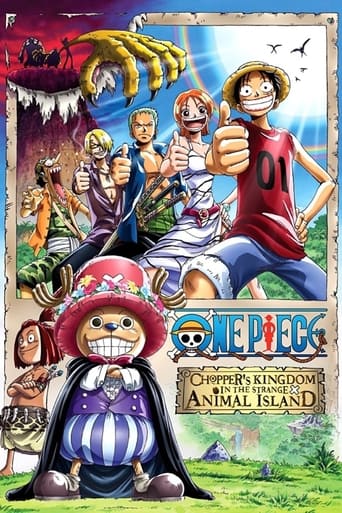 Movie
Movie Movie
Movie Movie
Movie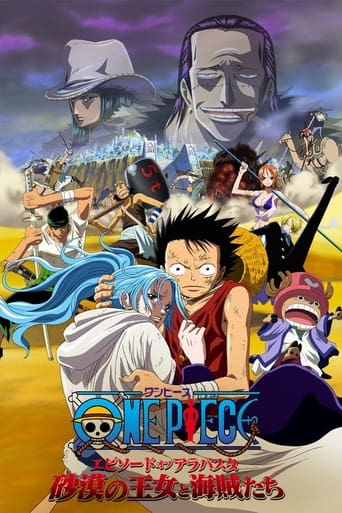 Movie
Movie Movie
Movie Movie
Movie Movie
Movie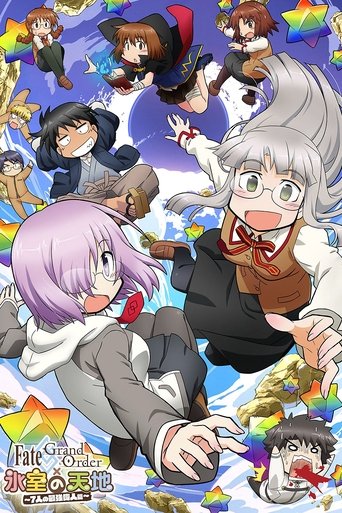 Movie
Movie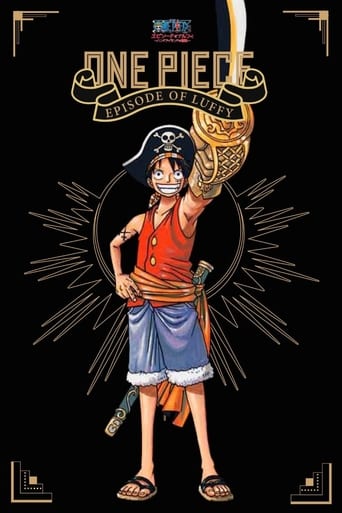 Movie
Movie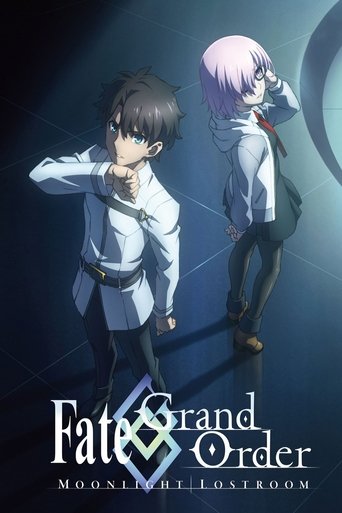 Movie
Movie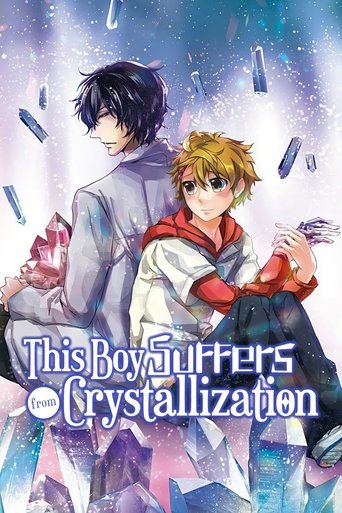 Movie
Movie Series
 Series
 Series
 Series
 Series
 Series
 Series
 Series
 Series
 Series
 Series
 Series
 Series
 Series
 Series
 Series
 Series
 Series
 Series
 Series
 Series
 Series
 Series
 Series
 Series
 Series
 Series
 Series
 Series
 Series
 Series
 Series
 Series
Browse
- Series 108
- Movies 76
- Magical girls 33
- Robots and heroes 31
- Card and battle games 32
- One Piece, Naruto and friends 45
- Family classics 61
- Comedy 90
- School and sport 44
- The 1990s 36
- The 2000s 52
- The 2010s 73
- 2020 onward 23
- Top rated 40
Help pages
- How to watch with AnimeDekho
- Magical girls
- PreCure from the start
- Robots and heroes
- Card and battle games
- Digimon, Pokémon and Yo-kai
- One Piece, Naruto and friends
- One Piece specials
- Family classics
- Anime comedy
- School and sport
- Long series
- Through the decades
- Picks by age
- Hindi, Tamil and Telugu tracks
- Finding a title
- My List
Anime for the whole family: the AnimeDekho guide
AnimeDekho: anime series and films for the whole family, from Little Witch Academia, HeartCatch PreCure! and Astro Boy to Chiikawa, Digimon, Transformers and the One Piece and Naruto specials
Japanese animation has been part of family life in India, Pakistan and Bangladesh for more than thirty years. Generations of children have raced home from school to catch a robot show, a magical-girl series or a comedy about a clever cat, first on the children's channels of cable television and later on streaming services, very often in Hindi, Tamil or Telugu. AnimeDekho is an English guide to that happy corner of anime: 184 Japanese series and films, made between 1990 and 2026, 108 series and 76 films, each with its own page, its story in English, its year, its running time or episode count, and a Watch now button that leads to the official services carrying it in your country.
The catalogue has been chosen by hand with children and families in mind. It gathers the magical-girl teams of PreCure and their cousins, giant robots and transforming trains, card games and toy battles, the short specials and films of One Piece, Naruto and Dragon Ball, gentle literary adaptations, comedies of every size and a handful of beautiful short films from Japan's leading studios. The fan-service shows, the horror series and the grim war stories belong to other guides, so every title here can be shared with a younger brother, a niece or a whole classroom.
The sections below are a relaxed tour of this world: how the site is laid out, the magical girls, the robots and heroes, the card battlers, the big shōnen adventures, the family classics, the comedies, school and sport, the decades and a few plans for every age. Each section links to a short help page, and the How to watch page sums up the simple steps from a title page to the official service.
How AnimeDekho looks
AnimeDekho keeps the bold, cheerful look of the site it is named after. The page is a deep navy, almost the colour of a night sky over the sea, and every link, badge and score glows in a bright lemon yellow. The header sits across the top of the page with a three-line yellow menu icon on the left, the chunky yellow AnimeDekho wordmark with a dark outline, a wide translucent search pill in the middle, a yellow My List link and a white outlined Help pill on the right. On a wide screen the main shelves also appear as a row of short links beside the logo; on a phone they live behind the menu icon.
The home page opens with a big picture from a featured series, faded into the navy page on the left and at the bottom. Over the picture sit the title in large white letters, a line with the score, the year and the number of episodes in yellow, three genres behind a thin pale rule and an outlined Watch Series pill with a small yellow play sign. In the lower corner, a strip of five small posters shows the other featured titles, the first one ringed in yellow.
Below the picture, the page is a stack of wide bands that alternate between pure black and navy. Each band has a title such as Series or Movies, three small tabs called Recent, Popular and Surprise, two square arrow buttons on the right and a thin pale rule beneath. Under the rule comes a row of posters. Every poster carries a small yellow pill in its top corner that says Series or Movie, and beneath it sits a short white label with the episode count or the running time, the title in bold white letters and the year in yellow. A black footer closes the page with the logo, the main links and a short note about the data.
The colours, the band layout, the rounded pills and the yellow badges are drawn from a careful study of the original site's design, matched with the Montserrat typeface it used. The posters, stories and credits are new, chosen for families, and everything on the page works with a keyboard, a screen reader and a small phone screen.
Magical girls: PreCure and friends
Magical-girl anime is one of the brightest traditions in Japanese animation. An ordinary schoolgirl meets a small magical creature, receives a charm, a compact or a phone, and transforms into a heroine in a swirl of ribbons and music. The best of these shows are really stories about friendship, courage and kindness, and they are loved by boys and girls alike. AnimeDekho gathers 33 of them on the Magical girls shelf, and the Magical girls help page offers a short tour.
At the heart of the shelf is PreCure, the Toei Animation series that has welcomed a new team of heroines every February since 2004. Each season is a fresh start with new characters, a new theme and a new town, so children can begin with whichever season catches their eye. PreCure Splash Star follows two girls who first met as children at a summer festival. Yes! PreCure 5 brings together five friends around a magical book called the Dream Collet. Fresh Precure! follows Love Momozono, a cheerful fourteen-year-old who loves dancing, and her friends from the Clover Town neighbourhood.
HeartCatch PreCure! is often named as a favourite by older fans. Its heroine, Tsubomi Hanasaki, is a shy girl who loves flowers, and the series follows her as she finds the confidence to make friends and stand up for others. Its soft, watercolour look, inspired by children's picture books, is one of the loveliest in the whole franchise. Suite Precure♪ turns two childhood friends into musical heroines, and Happiness Charge PreCure! introduces a whole world of PreCure teams with costume changes for every occasion.
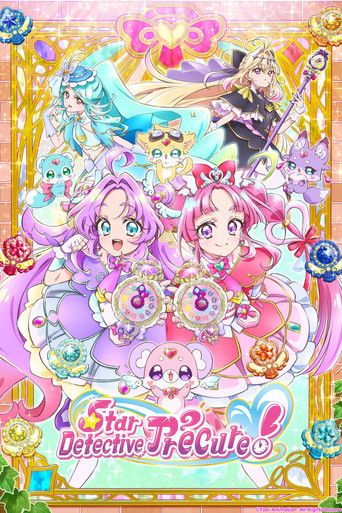
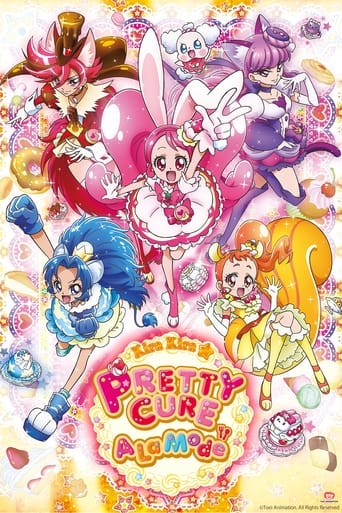
Go! Princess PreCure is set in a grand boarding school where Haruka Haruno dreams of becoming a real princess, and it is a warm story about hard work and big dreams. Witchy Precure! follows Mirai Asahina and a young witch named Riko as they discover a hidden school of magic. KIRA KIRA☆PRETTY CURE A LA MODE is the sweetest season of all: its heroines run a little patisserie and each one is inspired by a different dessert. The newest teams on the shelf are You and Idol Precure, whose heroine loves to sing, and Star Detective Precure!, whose heroine meets a fairy on her fourteenth birthday and becomes a time-travelling detective.
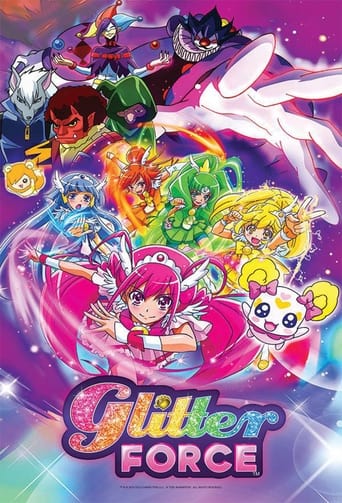
Two seasons appear under their English names. Glitter Force is the international version of Smile PreCure, and Glitter Force Doki Doki is the international version of Doki Doki PreCure; both were adapted for a worldwide audience with new voices and new music. The PreCure from the start help page explains how the seasons fit together, and the big crossover film Pretty Cure All Stars DX3: Deliver the Future! The Rainbow-Colored Flower That Connects the World brings every heroine of the first eight years together in one adventure.
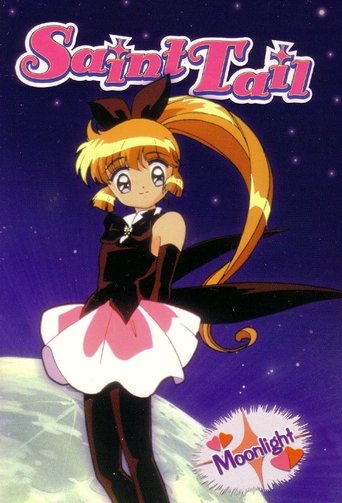
The shelf also keeps the classics of the 1990s. Wedding Peach follows three friends who work at a bridal shop and transform into angels of love. Saint Tail is the story of Meimi Haneoka, a schoolgirl who becomes a gentle phantom thief at night to return stolen treasures to their owners, while a young detective tries to catch her. Magical Angel Sweet Mint is a colourful fairy tale from 1990, and Corrector Yui sends its heroine into a world inside the computer network. Ground Defense Force! Mao-chan follows three eight-year-olds who defend the Earth with toy-like costumes, and Pita Ten tells the story of a schoolboy and the cheerful angel-in-training who moves in next door.
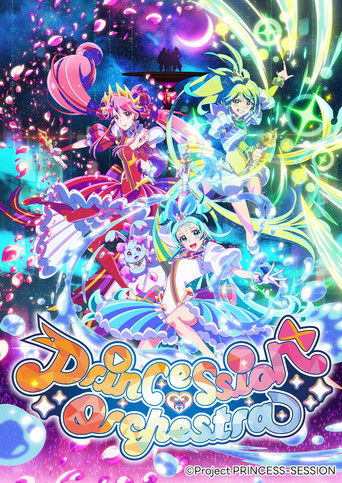
Newer favourites include Princession Orchestra, where three girls transform into princesses with the power of music, and Animal Detectives Kiruminzoo, whose twin heroines turn into animals to solve small mysteries around town. Super Pig follows a junior-high student who becomes a pig-themed superheroine, and Panyo Panyo Di Gi Charat stars the youngest characters of the Di Gi Charat family. Little Witch Academia, which follows Akko Kagari at a famous academy for witches, also belongs here, though it has its own place in the school section below.
Robots and heroes
Giant robots have been a Japanese specialty since the 1960s, and the robot shows on AnimeDekho are among the most exciting and most colourful on the site. The Robots and heroes shelf holds 31 titles, from the Transformers to transforming bullet trains, and the Robots and heroes help page gives a quick overview.
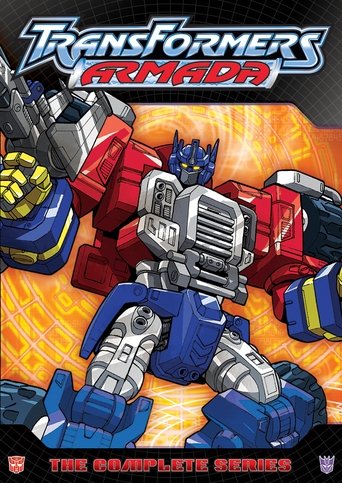
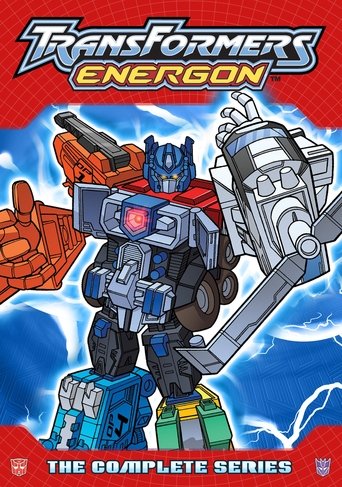
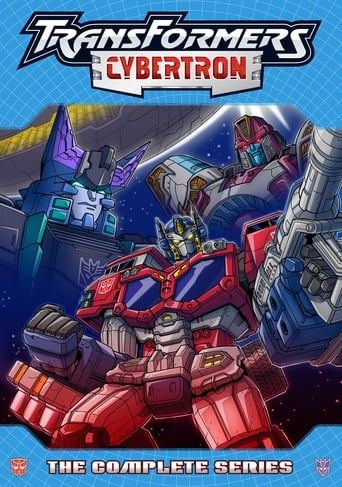
The Transformers began as a line of American toys built on Japanese designs, and in the 2000s Japanese studios made four connected series that were shown around the world. Transformers: Robots in Disguise follows a boy named Koji and the Autobots as they protect a city from the Predacons. Transformers: Armada introduces the Mini-Cons, small robots who give their larger partners new powers, and follows three young friends who discover them. Transformers: Energon continues the story ten years later, and Transformers: Cybertron sends the Autobots on a quest across the galaxy. Together they make more than two hundred episodes of friendship, teamwork and spectacular transformations.
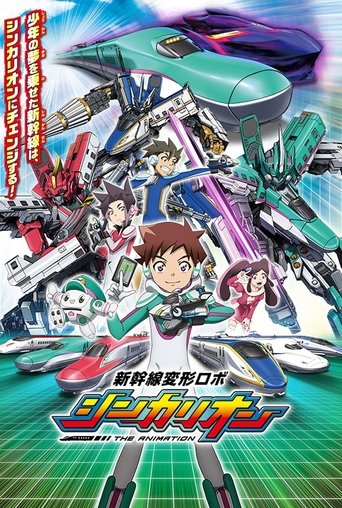
Japan's bullet trains have their own robot heroes. Shinkansen Henkei Robo Shinkalion: THE ANIMATION follows Hayato Hayasugi, a boy who loves trains, as he pilots a Shinkansen that turns into a giant robot; the series was made with the help of Japan's railway companies, and the real trains appear in loving detail. Shinkalion: Change the World begins a new story with a new generation of young drivers. Tomica Bond Combination Earth Granner and Tomica Hyper Rescue Drive Head Kidō Kyūkyū Keisatsu do the same for the much-loved Tomica toy cars, with rescue teams and racing heroes.
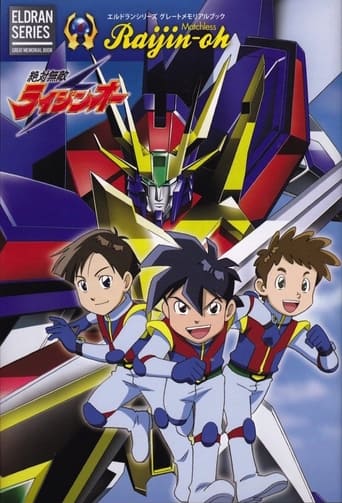
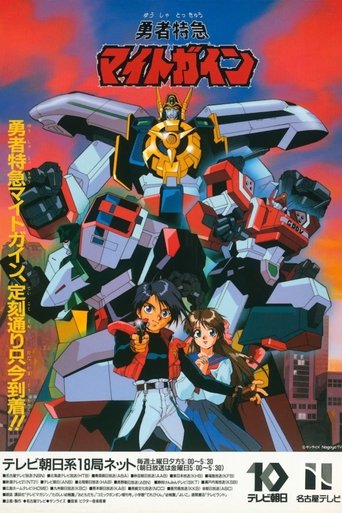
The robot classics of the 1990s are bright, funny and full of heart. Matchless Raijin-Oh follows a whole class of elementary-school children who pilot a giant robot together, each pupil with a job to do. Brave Express Might Gaine is a playful adventure about a young billionaire, his talking trains and his robot friends, and it is famous for its sense of humour. Daigunder follows a boy and his robot partner in a world of robot battles, and Legendary Brave Swordsman Yaiba, from the creator of Detective Conan, mixes samurai adventure with slapstick comedy.
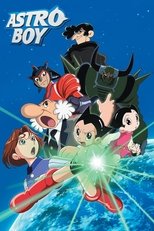
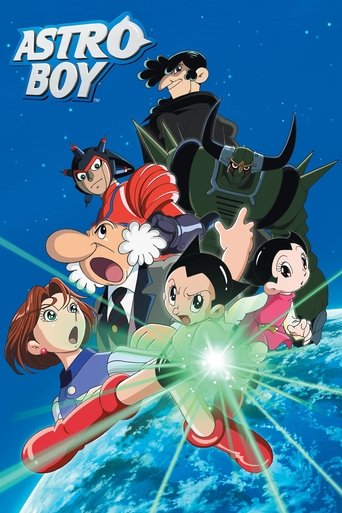
Some heroes are robots themselves. Astro Boy, the 2003 version of Osamu Tezuka's famous story, follows a robot boy with a gentle heart who protects both humans and robots in Metro City; it is a beautiful series about kindness and understanding, and a perfect introduction to the man often called the god of manga. Little Astro Boy is a short, sweet series for younger children. Cyborg Kuro-chan follows an ordinary cat rebuilt as a cyborg, who decides to protect the old couple who look after him, and it is one of the funniest robot shows ever made. Mega Man: Upon a Star sends the blue hero on a short tour of Japan, and Rockman.EXE: The Program of Light and Darkness brings the network heroes of the game series to the cinema.
The shelf also includes the cute, chunky robots of the SD Gundam family. SD Gundam Force is a lively series for younger viewers, Chou Deneiban SD Gundam Sangokuden Brave Battle Warriors retells the Romance of the Three Kingdoms with tiny robot heroes, and Model Suit Gunpla Builders Beginning G follows young model builders whose plastic kits come alive in battle. Tenkai Knights follows four friends who turn into knights built from little bricks, and Brain Adventure Record Webdiver sends a boy into a computer world with his robot partner.
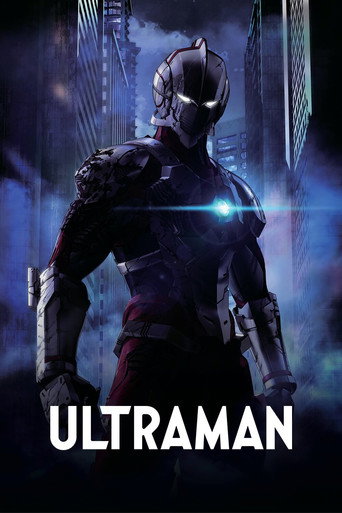
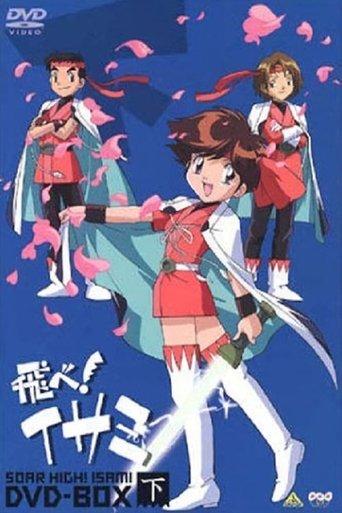
For older children, ULTRAMAN is a modern animated take on the famous giant hero, following the son of the original Ultraman as he learns to wear the suit. Soar High! Isami is an energetic NHK series directed by Gisaburō Sugii, a futuristic retelling of the classic Hakkenden legend, and Kaiyou Senshi Sea Saver is a cheerful hero short about protecting the oceans. Hero Bank, Scan2Go and Brave Beats add game-born heroes who race, battle and dance.
Card games and toy battles
Many of the most popular children's anime are built around games: a trading card game, a toy line or a video game. The heroes are young players who build their own decks or machines, meet rivals who become friends and learn that a good game is about fair play and imagination. The Card and battle games shelf holds 32 titles, and the Card and battle games help page explains where to begin.
Battle Spirits is a card game from Bandai, and since 2008 it has had a long family of television series, each with its own young champion. Battle Spirits: Shonen Toppa Bashin was the first, following a boy named Bashin and his love of the game. Battle Spirits: Shounen Gekiha Dan and Battle Spirits: Brave continue the adventure, Battle Spirits: Heroes follows Hajime Hinobori, a seventh-grader who adores the game, and Battle Spirits: Strongest Galaxy Ultimate Zero, Battle Spirits: Burning Soul and Battle Spirits: Double Drive keep the series fresh with new worlds and new spirits. Battle Spirits: The Core Bearers is the newest chapter on the shelf.
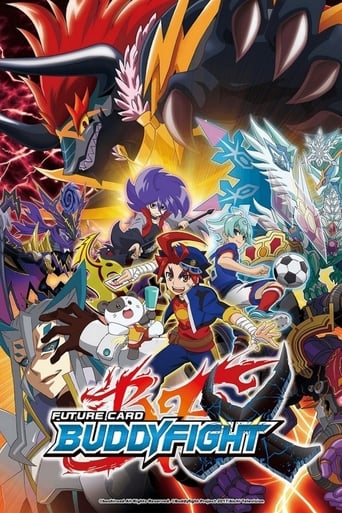
Cardfight!! Vanguard retells the story of Aichi Sendou, a quiet boy who finds courage and friendship through a card game, in a 2018 version made for a new generation. Future Card Buddyfight is a huge series of more than two hundred and fifty episodes in which players fight alongside talking monster partners called buddies. Card-collecting fun also fills Snack World, a funny fantasy series from LEVEL-5 in which the heroes collect magical snacks and weapons.
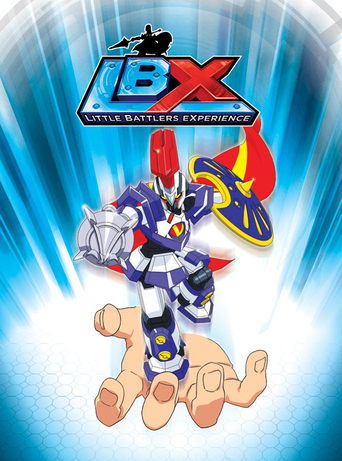
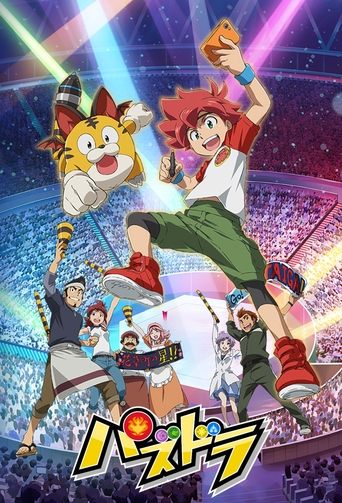
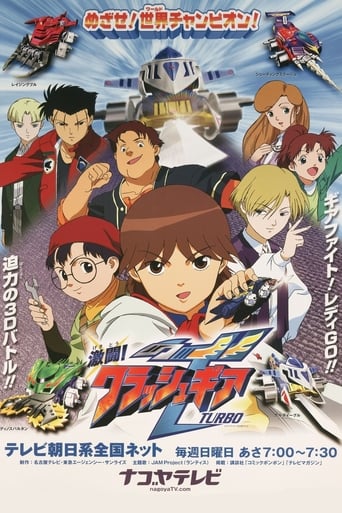
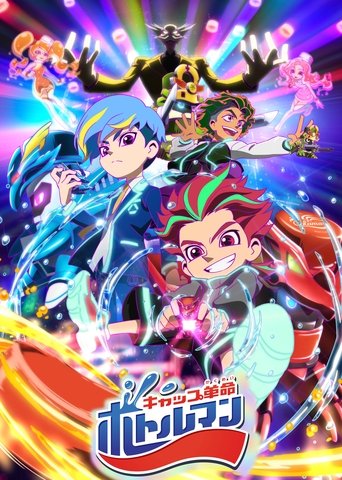
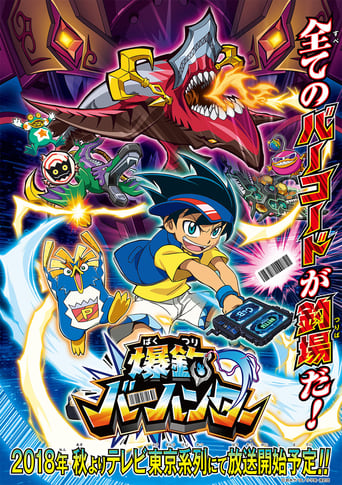
Toy battles have their own champions. Little Battlers eXperience imagines a future in which small robots fight inside sturdy cardboard boxes, and it follows Ban Yamano and his friends through a long, thrilling story. Crush Gear Turbo follows young drivers of battling toy cars, Cap Revolution Bottleman turns bottle caps into the stuff of tournaments, and Mushiking: The Guardians of the Forest grew out of a beetle-battling arcade game that was hugely popular with Japanese children. Bakutsuri Bar Hunter is all about fishing, and Puzzle & Dragons follows a boy who explores a world of colourful puzzles and monsters with hundreds of short episodes.
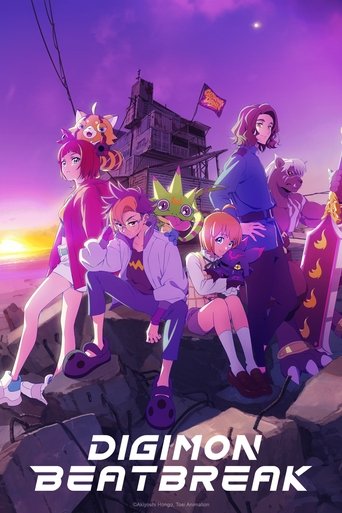
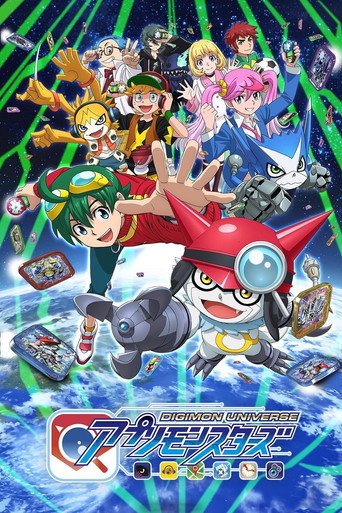
Digimon and Pokémon need little introduction. Both began in the 1990s as small handheld games and grew into enormous worlds of creatures and partners. On AnimeDekho, Digimon Beatbreak begins a brand-new Digimon story in 2025, Digimon Universe: App Monsters hides its partners inside smartphone apps, and the films Digimon X-Evolution, Digimon: Island of Lost Digimon and Digimon: Activate Burst Mode! add big-screen adventures. Digimon Adventure 3D: Digimon Grand Prix! is a short and joyful race originally made for a theme park. Pokémon Chronicles gathers side stories from the wider Pokémon world, and Pokémon Chronicles: The Legend of Thunder! follows a young trainer named Kenta and the legendary Raikou. The Digimon, Pokémon and Yo-kai help page has more.
Yo-kai Watch! is the 2019 season of the LEVEL-5 series about Keita Amano and the friendly spirits he befriends with a special watch. Sai-Kyo-Oh! Zukan is a newer series built on a popular Japanese picture encyclopedia of animals, and Mashin Creator Wataru is a 2025 return of a classic robot adventure, with a boy who builds and pilots his own magical machine.
One Piece, Naruto and friends
The great shōnen adventures, the long-running action series printed in Weekly Shōnen Jump and similar magazines, are the most famous anime in the world. Their main television series are hundreds of episodes long, but each of them has also produced short specials, OVAs and films that tell a complete story in an hour or less. These little treasures are perfect for a family evening, and the One Piece, Naruto and friends shelf gathers 45 of them. The One Piece, Naruto and friends help page is a good place to start.
One Piece follows Monkey D. Luffy, a cheerful young pirate whose body stretches like rubber, and his crew, the Straw Hat Pirates, as they sail the seas in search of a legendary treasure. One Piece: Defeat the Pirate Ganzack! is a special piece of history: made by Production I.G in 1998 for a touring Jump festival, it is the very first animated One Piece, made before the television series began. One Piece: Romance Dawn Story retells the manga's original first chapter, and One Piece: Chopper's Kingdom in the Strange Animal Island is the third One Piece film, in which the gentle reindeer doctor Chopper is crowned king of an island of unusual animals.
The television specials are full stories with a twist. One Piece Special: Open Upon the Great Sea! A Father's Huge, HUGE Dream! follows two young pirates who meet the Straw Hats, One Piece Special: Protect! The Last Great Stage tells the story of an old actor's final performance, and One Piece Special: The Detective Memoirs of Chief Straw Hat Luffy imagines the crew in an old-fashioned detective story. One Piece: Episode of Luffy - Hand Island Adventure is a full-length special with a brand-new island, and Luffy's Fall! The Unexplored Region - Grand Adventure in the Ocean's Navel sends the crew to a mysterious island at the bottom of a great hole in the sea. The short films One Piece: Glorious Island, One Piece Film Gold: Episode 0, One Piece Episode of Alabasta Prologue and One Piece 3D: Gekisou! Trap Coaster are quick treats, and One Piece Heroines gives Nami and the other women of the series a bright comic adventure of their own. The One Piece specials help page lists them all in order.
Naruto follows a young ninja who dreams of becoming the leader of his village. The OVAs on AnimeDekho are short and funny side stories. Naruto: The Lost Story - Mission: Protect the Waterfall Village! sends Team 7 on an escort mission to a neighbouring village, and Naruto OVA 3: Hidden Leaf Village Grand Sports Festival! turns the ninja academy into a sports day with races, obstacle courses and a relay. Naruto OVA 8: Naruto x UT, Naruto OVA 9: Chunin Exam on Fire! and Naruto vs. Konohamaru!, Naruto OVA 10: Uchiha Madara vs Senju Hashirama and Naruto OVA 11: Sunny Side Battle were made for video-game releases and feature lively action.
Dragon Ball fans will enjoy Dragon Ball Z: Summer Vacation Special, a 1992 television special in which Goku and Gohan look back at the early films, Dragon Ball Z: Gather Together! Goku's World, an interactive tour of the Dragon Ball universe in which Goku and his friends answer questions, and Dragon Ball Z: The Real 4-D at Super Tenkaichi Budokai, a short film made for a theme-park attraction.
Other great adventures are here too. Zatch Bell! is a 150-episode series about Kiyomaro Takamine, a clever but lonely schoolboy, and Zatch, a small boy from another world who becomes his best friend; it is a warm story about friendship and growing up, and its films Zatch Bell! 101st Devil and Zatch Bell! Attack of Mechavulcan are big, colourful adventures. Toriko 3D Movie: Kaimaku! Gourmet Adventure!! follows a hungry hunter in search of the world's most delicious foods, Hunter × Hunter Pilot is the 1998 pilot of the famous series, and Yu☆Gi☆Oh! is the 1999 Toei film about a shy duelist and a legendary card. Sergeant Keroro The Super Duper Movie and its two sequels, Sergeant Keroro The Super Duper Movie 2: Deep Sea Princess and Sergeant Keroro The Super Duper Movie 3: Keroro vs. Keroro Great Sky Duel, follow a platoon of frog-like aliens whose plans to conquer Earth always end in a party.
A few fantasy adventures round out the shelf. Tales of Zestiria: The Shepherd's Advent is a handsome fantasy special from ufotable, .hack//The Movie imagines a future online game, Sword Art Online: Extra Edition is a relaxed summer special in which the friends go swimming, and Promare / Side: Galo and Promare / Side: Lio are short prequels to the dazzling Studio Trigger film. Tsubasa Chronicle The Movie: The Princess in the Birdcage Kingdom follows a young traveller searching for the lost memories of a princess, and Fate/Grand Order x Himuro's World: Seven Most Powerful Great Figures Chapter is a playful comedy short.
Family classics
Some of the most beautiful anime ever made were created for the youngest viewers. The Family classics shelf gathers 61 gentle series and films, from literary adaptations to bedtime stories, and the Family classics help page offers a short selection.
For decades, the studio Nippon Animation has turned great books from around the world into television series. Hello Anne: Before Green Gables is a 2009 prequel to Anne of Green Gables, following young Anne Shirley through the years before she arrives at Green Gables; it is a moving, hopeful story about a girl whose imagination carries her through every challenge. Famous Dog Lassie is a 1996 retelling of the much-loved story of a loyal collie in a Yorkshire village, and Marco: Carry a Dream is a 1999 film version of the classic tale of a young Italian boy who crosses the ocean to find his mother in South America.
Other studios have added their own classics. Robin Hood's Big Adventure, from Tatsunoko Production, retells the legend with a young Robin and his friends in Sherwood Forest. Adventures of Puss-in-Boots and Adventures of the Little Mermaid bring well-known fairy tales to life, and Deltora Quest, based on the fantasy novels by the Australian writer Emily Rodda, follows three companions on a long quest to restore a magical belt and free their kingdom.
For the very young, AnimeDekho has a soft and happy selection. Barbapapa Around the World follows the shape-changing Barbapapa family on a journey to many countries. Tama and Friends is the story of a little cat and the other pets of a quiet Tokyo street. Hello Kitty's Animation Theater and Hello Kitty & Friends retell fairy tales with the famous Sanrio characters, and Tatsuya Miyanishi Theatre: Heart and Yummie adapts the warm picture books of Tatsuya Miyanishi. Prince Mackaroo, a long NHK series about a lively young prince, and Holly the Ghost, a long-running NHK comedy from 1991, are ideal for bedtime.
The family films are among the treasures of the site. My Tyrano: Together, Forever, also from a Tatsuya Miyanishi picture book, follows a gentle tyrannosaurus who eats only fruit and his friendship with a little pterodactyl. The Life of Budori Gusuko is Gisaburō Sugii's lovely film of Kenji Miyazawa's fairy tale, with its characters drawn as cats, about a young man in the forests of northern Japan who grows up to help his people. Miyori's Forest follows an eleven-year-old girl who goes to live with her grandparents in the countryside and learns to love the forest and its spirits. Dera-chan of the Southern Islands is a tiny, charming short from Kyoto Animation.
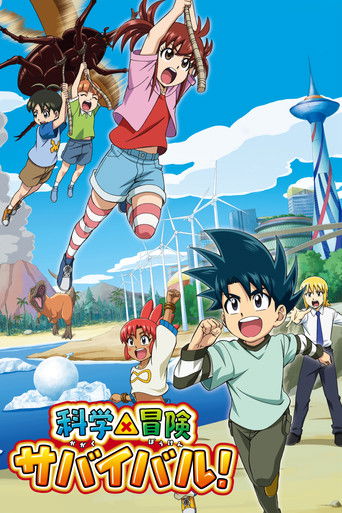
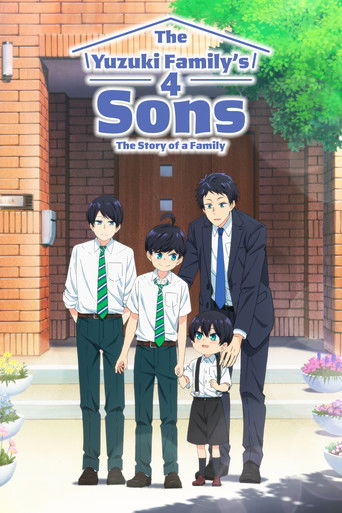
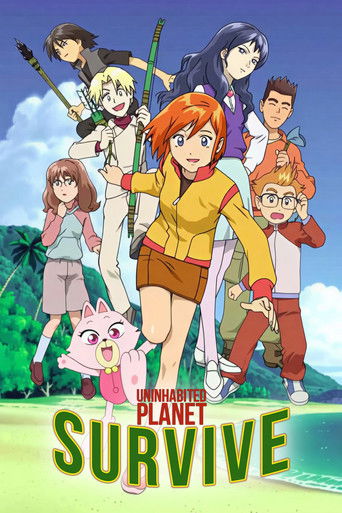
Several family series celebrate everyday life. The Yuzuki Family's Four Sons follows four brothers who look after one another with great tenderness, School Babysitters follows two brothers who join a school nursery, and Azuki-chan, a 1995 Madhouse series for NHK, follows a primary-school girl and her first crush with real gentleness. Uninhabited Planet Survive! sends a group of students to an unexplored planet, where they learn to work together and build a new life, and it is an excellent adventure for children who love science and nature.
Comedy for every age
Japanese comedy anime comes in every size, from one-minute episodes to full films, and much of it is wonderfully silly. The Comedy shelf holds 90 titles, the largest on the site, and the Anime comedy help page picks out a few favourites.
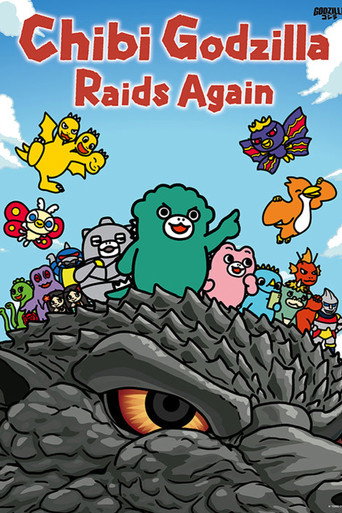
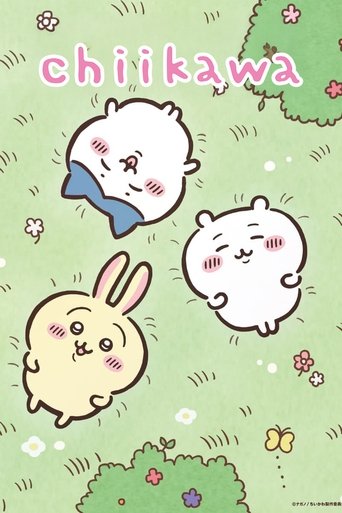
Chiikawa is one of the most popular characters in Japan today. Based on the illustrations of the artist Nagano, the series follows a tiny, round, fluffy creature and its friends Hachiware and Usagi as they work small jobs, eat delicious food and face life's little worries together. Each episode lasts only a minute or two, and there are hundreds of them, so it is perfect for a quick smile. Onyankopon follows a shy old guardian spirit who sends little helpers to greet people on his behalf, and Donyatsu follows a round creature, half dog and half doughnut, on summer adventures through an overgrown, empty Tokyo. Chibi Godzilla Raids Again shrinks the famous monster into a cute little fellow who lives happily with his friends.
Family sitcoms are a big part of the shelf. Crayon Shin-chan Spin-off wakes the cheeky five-year-old Shinnosuke and the whole Nohara family from a long sleep a hundred years in the future, Goldfish Warning! is a riotous 1991 comedy about a rich girl, a pink goldfish and a country school, and Dino Girl Gauko follows a schoolgirl who turns into a dinosaur each time she loses her temper. Hakata Mentai! Pirikarako-chan is a cheerful short series about a pollack-roe fairy who solves the worries of a shopping centre in a town much like Hakata, and Neko Neko Nihonshi retells Japanese history with every famous figure drawn as a cat, which makes it as educational as it is funny.
The cave boy of Hajime Ningen Gon and the tiny dinosaur of GON, based on the wordless manga by Masashi Tanaka, bring slapstick to prehistory. PaRappa the Rapper turns the famous rhythm game into a funny series about a rapping dog and his friends, and Snack World parodies fantasy adventures with tongue-in-cheek heroes. Here Comes the Black Witch!! follows a schoolgirl and a mischievous witch through magical pranks, and Pita Ten adds a cheerful angel to a boy's quiet life.
The Keroro films, described in the One Piece and Naruto section above, are among the funniest on the site, and the frog-like Sergeant Keroro, who would much rather build plastic models than conquer the world, is a hero to many children. Other comic heroes include Cyborg Kuro-chan, Super Pig and the members of The Yuzuki Family's Four Sons, whose household is full of gentle humour.
For a family evening, comedy films and specials make a quick and happy choice. Cells at Work!! The Return of the Strongest Enemy: A Huge Uproar in the Body’s Bowels! is a funny and educational special in which the cells of the human body work together like a busy city, and Leave it to Kero! is a short from the world of Cardcaptor Sakura in which Kero and Spinel, the two little guardian beasts, chase the last piece of takoyaki across town. Kamen Rider SD: Strange?! Kumo Otoko is a playful cartoon version of the famous masked hero.
School and sport
School is the centre of children's lives, and anime often turns the classroom, the club room and the playing field into places of adventure. The School and sport shelf holds 44 titles, and the School and sport help page picks out a few.
Girls und Panzer imagines a world in which driving vintage tanks is a graceful school sport for girls, practised with safety rules and good sportsmanship, a bit like a cross between motor racing and flower arranging. Girls und Panzer der Film is a feature-length adventure in which the girls of Oarai Girls' Academy team up with their former rivals to save their school, and Girls und Panzer: This Is the Real Anzio Battle! is a lively short about their match with a cheerful Italian-themed school. Girls und Panzer das Finale: Part 1, Girls und Panzer das Finale: Part 2, Girls und Panzer das Finale: Part 3 and Girls und Panzer das Finale: Part 4 follow a whole new tournament across four films.
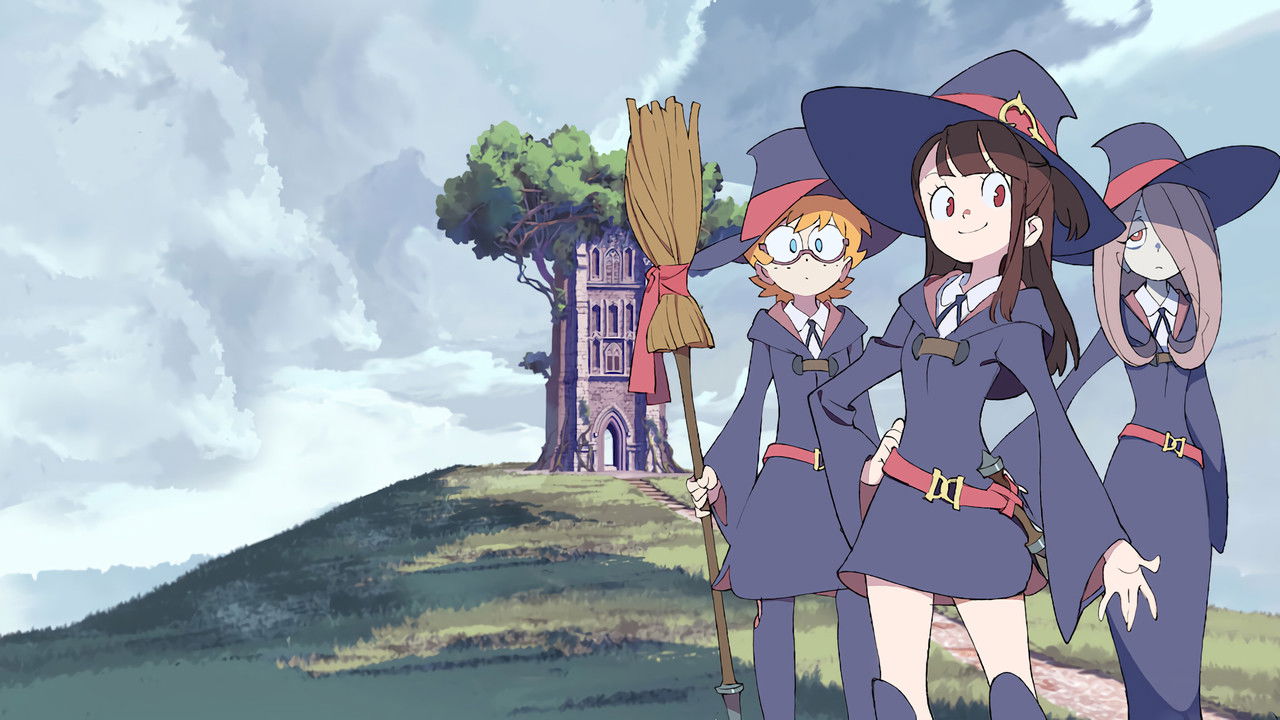
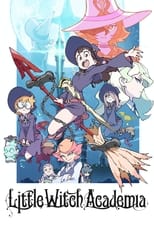
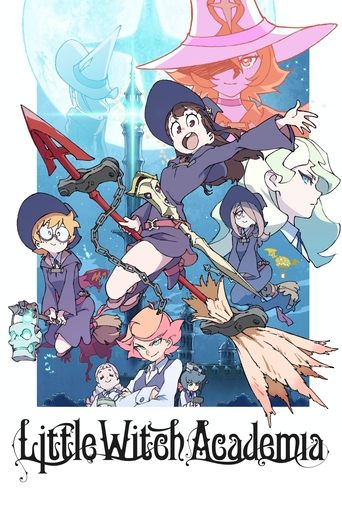
High School Fleet Movie follows the students of a maritime school who train to protect the seas, and The Prince of Tennis: Two Samurais, The First Game sends the tennis team of Seigaku to an exhibition match aboard a cruise ship. Little Witch Academia is the shelf's brightest star: Akko Kagari, a girl with more enthusiasm than talent, enrols at Luna Nova Academy to follow in the footsteps of her heroine, the witch Shiny Chariot, and learns that hard work and friendship can make magic happen. Its director, Yoh Yoshinari, and Studio Trigger filled it with energy, warmth and colour.
Space Brothers #0 is the story of the young Namba brothers, Mutta and Hibito, and how a childhood promise to go to space shaped their lives. Twilight follows two teenagers in rural Fukushima, a violinist and a boy who loves painting, in a quiet and tender story. Surviving Science! is an NHK series that teaches science through exciting survival adventures, and Neko Neko Nihonshi turns history lessons into a cat comedy.
Short films and specials
Japanese studios love the short film, and some of their most inventive work is only a few minutes long. AnimeDekho's films include many of these little gems alongside the longer specials, and the Movies shelf lists all 76 in one place.
Clover is a short film from 1999, directed by Kitaro Kosaka at Madhouse and based on the manga by CLAMP. It follows a young girl with great power and a man who escorts her on a journey, told through beautiful pastel images and song. This Boy Suffers from Crystallization, from CoMix Wave Films, follows a boy with a rare condition that slowly turns him to stone, and the artwork he makes along the way. Garakowa -Restore the World- is a science-fiction adventure about two girls in a mysterious digital world.
Kino's Journey: Country of Illness -For You- follows Kino, a young traveller who rides through a world of strange countries on a talking motorcycle, in a thoughtful short film. Spirit of Wonder: Scientific Boys Club follows a club of elderly inventors who decide to build a ship to sail to the stars, and Nadia: The Secret of Blue Water - The Motion Picture continues the famous adventure inspired by Jules Verne. New Kimagure Orange Road: Summer's Beginning is a summer story from the much-loved romantic comedy, and VOY@GER is a music film made to celebrate the sixteenth anniversary of The Idolmaster.
The magical-girl films include Sailor Moon: Make Up! Sailor Senshi, a short from 1993 in which Usagi and Chibiusa overhear two girls talking about the Sailor Guardians, and Wataten!: An Angel Flew Down to Me! - Precious Friends, a sweet film about a group of friends and their angelic classmate. Fate/Grand Order: Moonlight/Lostroom is a short fantasy about a room where lost things can be seen.
Through the decades
AnimeDekho covers more than thirty years of Japanese animation, and the decade shelves show how the look and the stories have changed. The Through the decades help page offers a quick tour.
The 1990s shelf holds 36 titles, from the hand-painted cels of Saint Tail, Super Pig and Wedding Peach to the robot heroes of Matchless Raijin-Oh and Brave Express Might Gaine. It was the decade when anime first reached Indian television in large numbers, and many parents remember these shows from their own childhood. Soar High! Isami and Azuki-chan were made for NHK, Japan's public broadcaster, and Ronin Warriors: Message is a short follow-up to a series that was a favourite around the world.
The 2000s shelf holds 52 titles. This is the decade of the Transformers trilogy, Astro Boy, Zatch Bell!, Deltora Quest, the early PreCure seasons and the arrival of digital colour. Ground Defense Force! Mao-chan, Corrector Yui and Mushiking: The Guardians of the Forest were favourites of their day, and Uninhabited Planet Survive! remains one of the best adventures of the decade.
The 2010s shelf holds the largest group, with the Battle Spirits series, Little Battlers eXperience, Little Witch Academia, Tenkai Knights, Hero Bank and the later PreCure teams. The 2020 onward shelf gathers the newest arrivals: Chiikawa, Digimon Beatbreak, Princession Orchestra, Mashin Creator Wataru, Sai-Kyo-Oh! Zukan, Surviving Science!, Shinkalion: Change the World and Star Detective Precure!. The Top rated shelf collects the titles that viewers rate most highly.
Long series and short ones
Children's anime is often very long, because a good series can run every week for a whole school year or more. That makes it perfect for a daily habit, one episode after dinner or before bed. The Series shelf lists all 108 series, and the Long series help page offers a few suggestions.
A year-long series of around fifty episodes is the classic format. Zatch Bell! runs to 150 episodes, Deltora Quest to 65, and Legendary Brave Swordsman Yaiba, Uninhabited Planet Survive!, Robin Hood's Big Adventure and each of the Transformers series to around fifty. These are wonderful for children who love to follow a story week by week and talk about it with friends.
The very long runs are a different pleasure. Chiikawa has hundreds of tiny episodes, Puzzle & Dragons runs to more than four hundred, and Prince Mackaroo, known in Japan as Ojarumaru, follows a young prince from Japan's ancient court who finds himself in the modern world, across hundreds of short episodes that NHK has been making since 1998. Future Card Buddyfight and Chibi Godzilla Raids Again also have long runs of short episodes.
Short series are ideal for a holiday week. Little Witch Academia is a single season of twenty-five episodes, The Yuzuki Family's Four Sons and School Babysitters have twelve each, and Battle Spirits: The Core Bearers tells its story in a dozen episodes as well.
Hindi, Tamil and Telugu
For many families in South Asia, anime means a familiar voice in their own language. Indian children's channels have dubbed hundreds of Japanese series into Hindi, Tamil and Telugu, and streaming services now offer many more. The Hindi, Tamil and Telugu tracks help page explains how to find them.
The easiest way is to open the title page and press Watch now: JustWatch shows the services that carry the title in your country, and each service lists its own audio tracks and subtitles. Robot and card series such as Transformers: Armada, Zatch Bell! and Little Battlers eXperience were favourites on Indian television, and the PreCure and Digimon seasons are widely available with several language tracks.
Older children often enjoy the original Japanese voices with subtitles, which is also a gentle way to start learning a little Japanese. Every title page shows the original Japanese name next to the English one, so the whole family can learn a few words together.
Picks by age
Every child is different, but a few suggestions can help parents choose. The Picks by age help page sums them up.
For children up to six, calm and kind series are best. Tama and Friends, Barbapapa Around the World, Hello Kitty & Friends and Tatsuya Miyanishi Theatre: Heart and Yummie have soft colours, simple stories and lots of animals. The tiny episodes of Chiikawa and Chibi Godzilla Raids Again are also a good fit.
From seven to ten, children love action, jokes and collecting. Yo-kai Watch!, Shinkansen Henkei Robo Shinkalion: THE ANIMATION, Glitter Force, Digimon Universe: App Monsters, Cardfight!! Vanguard and Dino Girl Gauko are lively and colourful, and the Keroro films are a hit with the whole family.
From eleven up, bigger stories and bigger dreams take over. Little Witch Academia, Deltora Quest, Astro Boy, Space Brothers #0, Girls und Panzer der Film and Uninhabited Planet Survive! all reward attention, and the One Piece and Naruto specials are a great introduction to the famous series.
A perfect first week
If your family is new to anime, here is a simple plan for a first week. On Monday, meet Akko and her friends in the first episodes of Little Witch Academia. On Tuesday, laugh with a handful of Chiikawa episodes. On Wednesday, ride a bullet train robot in Shinkansen Henkei Robo Shinkalion: THE ANIMATION. On Thursday, join Tsubomi and her flowers in HeartCatch PreCure!. On Friday, set sail with the Straw Hats in One Piece: Chopper's Kingdom in the Strange Animal Island. At the weekend, watch My Tyrano: Together, Forever together and begin Astro Boy, one episode a day.
A second week could follow a theme: robots one evening, card battlers the next, a family classic such as Hello Anne: Before Green Gables on a quiet night and a big comedy film such as Sergeant Keroro The Super Duper Movie for the weekend.
Finding a title
AnimeDekho has several ways to find a title. The search pill in the header finds titles as you type, by English or Japanese name, so Glitter Force and Smile PreCure both lead to the same page, and Ronin Warriors and Yoroiden Samurai Troopers do the same. The yellow menu icon opens the main shelves, and the A to Z list shows every title in alphabetical order. The Finding a title help page has more tips.
The home page itself is a map of the catalogue. Each band leads to a full shelf through its tabs and arrows, and the Browse band near the bottom lists every shelf with the number of titles it holds, from the 184 titles of All titles to the smaller themed shelves.
My List
My List keeps the titles your family wants to watch. Add a series or film from its page, and it appears in the list that opens from the yellow My List link in the header. The list lives in this browser, so it opens instantly, and it can be exported to a small file and imported on another device, such as the family television or a grandparent's tablet. The My List help page explains each step.
Many families keep more than one list: one for the summer holidays, one for the long Diwali or Eid weekend and one for rainy afternoons. Children enjoy choosing the next title themselves, and a list is a lovely way to share the decision.
Why anime belongs in family life
The best children's anime is made with great care. Its creators take children seriously, giving them heroes who make mistakes, learn from them and grow, and stories in which friendship, honesty and hard work win the day. Magical girls protect their towns by joining hands, robot pilots succeed as a team, and card players learn that a rival can become a best friend. These are good lessons in any language.
Anime is also a window onto Japan: its schools and festivals, its food and trains, its seasons and its history. Neko Neko Nihonshi teaches history with cats, Surviving Science! teaches science through adventure, and Shinkalion: Change the World celebrates the country's famous railways. Many families find that a favourite series leads to a first visit to a Japanese restaurant, a new hobby such as drawing or model building, or a dream of travelling to Japan one day.
About AnimeDekho
AnimeDekho is an independent English guide. It hosts the pages, the stories and the shelves, and it sends you to the official services that carry each title through the Watch now button. The posters, credits and production details come from TMDB, and the help pages and this guide are written for AnimeDekho by its own editorial team. The About page explains what the site keeps in your browser and where its data comes from.
The catalogue grows with care, one family-friendly title at a time, and every title is chosen for its warmth, its imagination and its welcome for viewers of every age. Happy watching, and enjoy the adventure.
Questions and answers
A few quick answers for parents and new viewers.
Questions
What is AnimeDekho?
AnimeDekho is an English guide to 184 Japanese anime series and films for children and families, with a Watch now button that opens each title on JustWatch for your country.
Which kinds of anime are included?
Magical girls, robots and heroes, card and battle games, One Piece and Naruto specials, family classics, comedies, and school and sport stories, from 1990 to 2026.
Is PreCure here?
Yes. Eleven PreCure seasons and the All Stars DX3 film are on the Magical girls shelf, from PreCure Splash Star to Star Detective Precure!, together with Glitter Force and Glitter Force Doki Doki.
Can I watch in Hindi, Tamil or Telugu?
Press Watch now on a title page; JustWatch lists the services that carry it in your country, and each service shows its own language tracks and subtitles.
How does Watch now work?
Choose your country and press Watch now. JustWatch opens with the subscription, rental, purchase and free services that carry the title where you live.
Is AnimeDekho suitable for children?
The catalogue is chosen by hand for children and families, and the Picks by age page suggests titles for little ones, for seven to ten and for eleven and up.
Are there films as well as series?
Yes. The Movies shelf holds 76 films, specials and short films, including One Piece, Naruto, Digimon, Keroro and Girls und Panzer.
What is My List?
My List keeps the titles you plan to watch in your browser. You can export it to a small file and import it on another device.